Why I do this
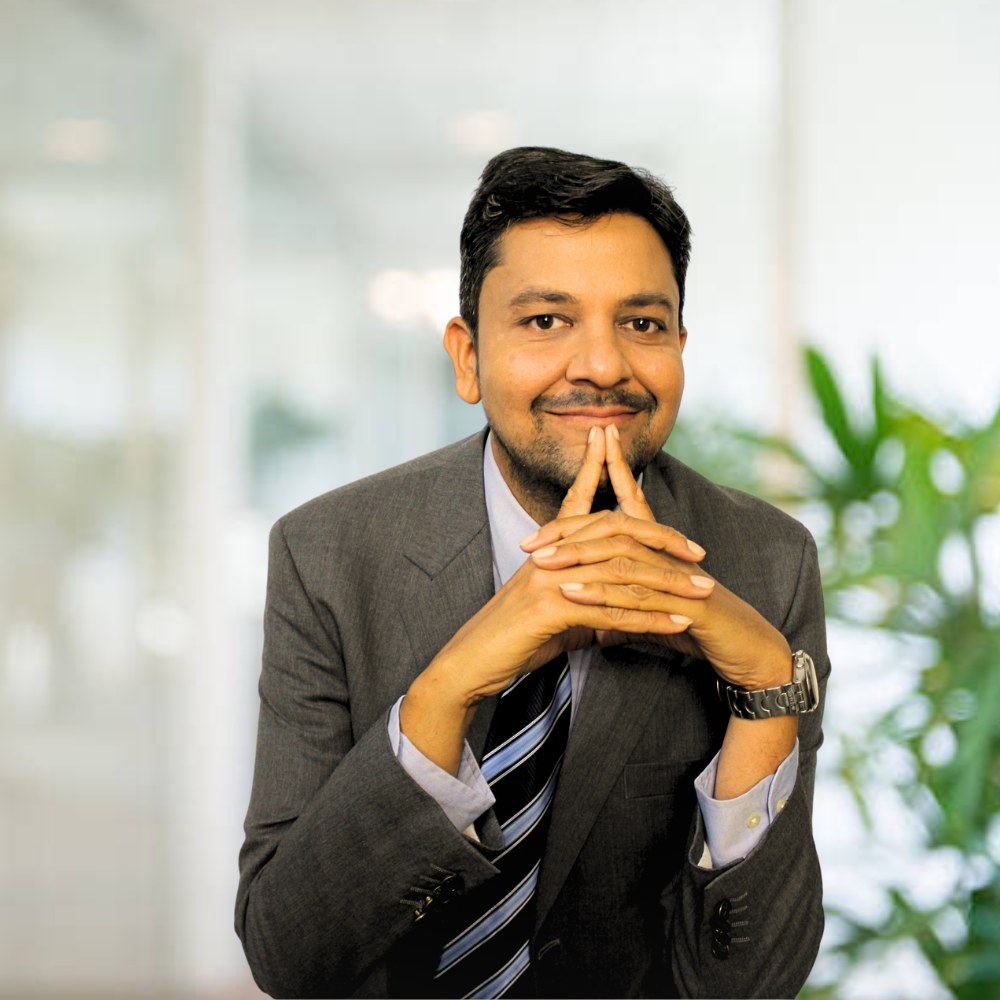
For eighteen years, I studied people for a living.
Not as a coach, but as a strategy consultant working in consumer psychology. At Nielsen and Evalueserve, my work was to understand what moved people—why they chose, trusted, resisted, and changed—and to help global brands make decisions worth millions.
Despite being trained as an engineer, I found myself drawn less to numbers than to the human stories behind them. I loved making sense of behaviour. I loved finding patterns that others overlooked.
For a long time, I believed I had found my calling.
Then life asked me a different set of questions.
Not about consumers or organisations, but about myself.
Who am I? What gives my life meaning? Why does success no longer feel like enough?
Those questions arrived quietly, long before I was willing to answer them. I stayed busy. I performed well. Outwardly, very little seemed wrong.
Then somewhere during the COVID years, I had to admit something I had been avoiding for a long time.
I was no longer the person who had started that journey eighteen years earlier.
The work that had once energised me had begun to drain me. I wasn't burnt out because the work was difficult. I was exhausted because I was living a life that no longer felt fully aligned with who I had become.
It was a lonely place.
Not because people weren't around, but because nothing looked broken from the outside. When your career is successful, your family is stable, and life appears to be moving in the right direction, it's surprisingly difficult to explain why something feels deeply incomplete.
So you keep going.
You become very good at looking fine.
And the questions wait.
Until they don't.
Eventually I realised that I had spent years hoping something outside me would change—a different role, a different project, a different circumstance.
What changed instead was something far quieter.
I stopped waiting for life to give me permission to change and accepted that the real work was mine.
Personal growth, I've come to realise, is less like finding yourself and more like being carved from stone. Each honest conversation removes something that no longer serves you. A certainty. A defence. A story you've mistaken for truth.
The part we often miss is this:
No one else holds the chisel.
That understanding has shaped everything I do today.
The same question, asked more closely
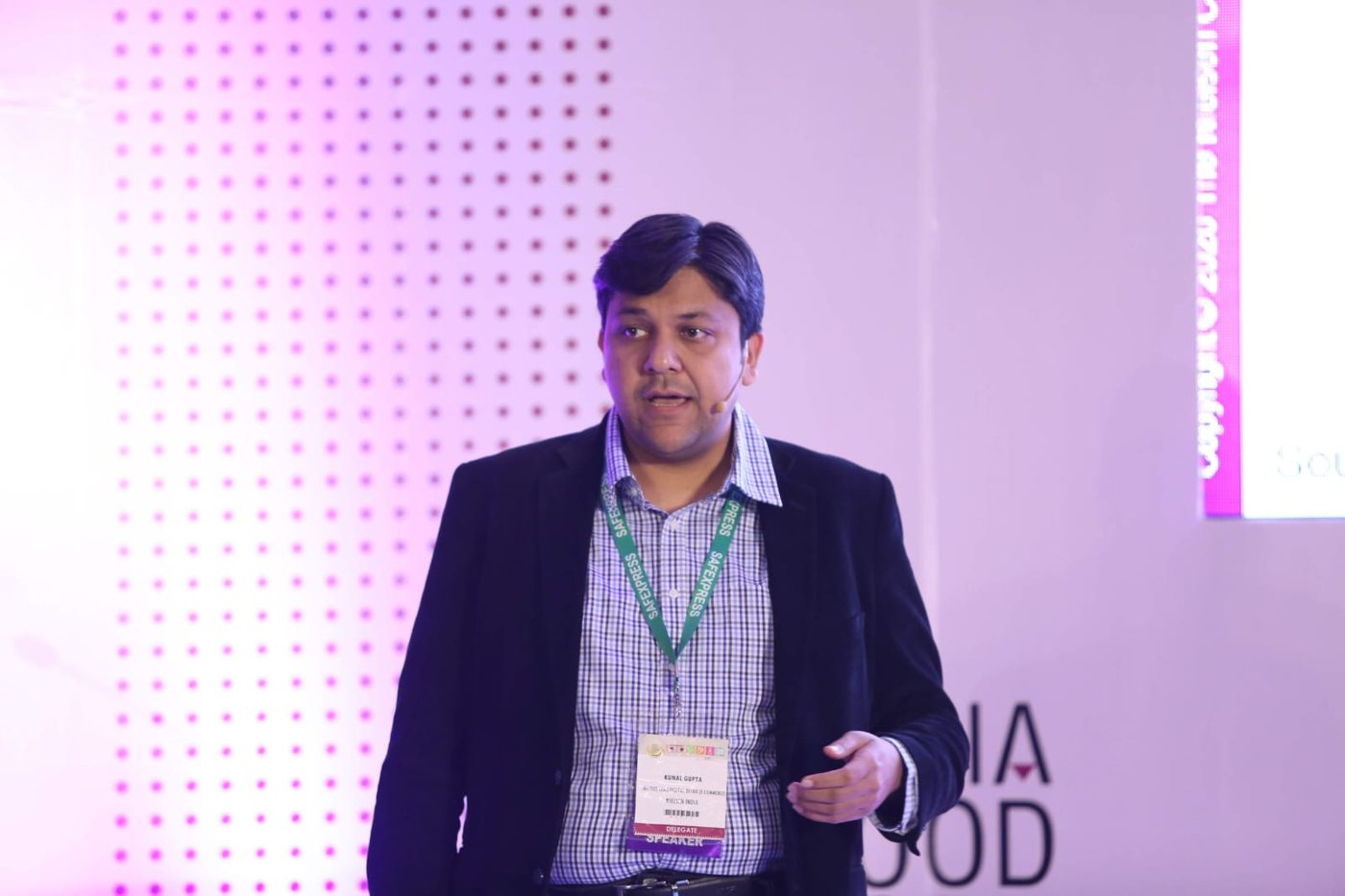

People sometimes think I changed careers.
I don't think I did.
For eighteen years, I tried to understand what moved people at scale.
Today, I ask the same question—one leader at a time.
The context has changed. The question hasn't.
I'm still fascinated by human behaviour. By the stories we tell ourselves. By the invisible patterns that shape how we think, relate, decide, and lead.
I've learnt that meaningful change rarely begins with advice.
It begins when people feel safe enough to see themselves clearly.
That is the space I try to create.
A space where leaders can step back from the urgency of solving problems and become curious about the patterns through which they are experiencing them.
Most of the leaders I work with don't arrive saying they're looking for deeper self-awareness.
They come because conversations have become harder. Their influence has plateaued. The strategies that once brought success no longer produce the same results. They feel responsible for everything, yet increasingly disconnected from themselves.
They think they're facing a leadership problem.
Often, they're standing at the edge of a much more meaningful conversation.
Not about becoming someone different.
But about rediscovering the freedom to respond differently.
That's the work I have the privilege of doing.